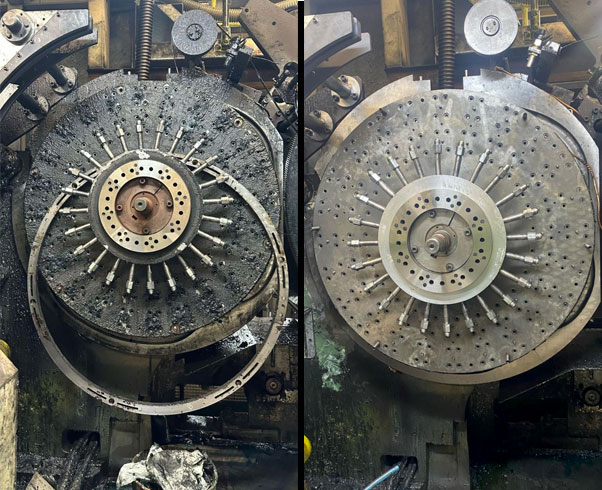
In modern food production environments, equipment is expected to perform reliably while meeting strict hygiene and safety standards. Production lines often run for long hours, and even short periods of downtime can affect output, delivery schedules, and customer confidence.
Because of this, cleaning is sometimes treated as a routine task rather than a strategic part of asset management.
Yet the way machinery is cleaned can quietly influence how long it remains serviceable.
Dry ice blasting has become more common in food manufacturing over recent years, partly because it appears to clean effectively without placing unnecessary strain on equipment.
Unlike traditional methods that rely on water, chemicals, or physical abrasion, it works in a different way.
As a result, many operators are beginning to question whether their current approach is helping to preserve their machinery or, over time, contributing to avoidable wear.
Why Equipment Deteriorates in Food Production Environments
Food processing machinery is exposed to a demanding mix of heat, grease, sugar, starch, moisture, and cleaning agents. Over time, residues can harden onto surfaces, requiring increasingly aggressive methods to remove them.
At the same time, frequent exposure to water and chemicals may gradually weaken protective coatings and seals. These conditions create a cycle where cleaning becomes harder and more intrusive with each passing year.
Traditional cleaning techniques can also introduce their own risks. High pressure washing may force moisture into bearings or control panels, while strong detergents can accelerate corrosion.
Mechanical scraping and brushing, although effective in the short term, may leave small scratches that trap contaminants later on.
Taken together, these factors often shorten the working life of otherwise well designed equipment.
How Dry Ice Blasting Works
Dry ice blasting uses small pellets of solid carbon dioxide that are propelled at high speed towards contaminated surfaces.
When the pellets strike the residue, they rapidly sublimate, changing from solid to gas. This sudden expansion helps lift and break away dirt, grease, and build up without relying on friction or soaking. The process is driven more by thermal shock and kinetic energy than by physical abrasion.
Because the dry ice turns directly into gas, there is no secondary waste such as slurry or wastewater to deal with. The method does not require detergents or solvents, which may appeal to facilities aiming to reduce chemical usage.
Importantly, it is considered non abrasive, making it more suitable for delicate components, wiring, and coated surfaces commonly found in food production machinery.
Reducing Abrasion and Surface Damage
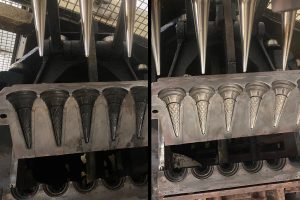
Many conventional cleaning techniques involve some degree of physical contact with the equipment. Wire brushes, scrapers, and abrasive pads are often used to tackle stubborn deposits, particularly in ovens, mixers, and conveyors.
While these tools may remove contamination, they can also gradually wear down protective layers and polished surfaces. Over time, this may lead to rough patches that attract further build up.
Dry ice blasting, by contrast, appears to minimise this type of surface damage. Because the pellets are relatively soft and evaporate on impact, they do not grind against metal in the same way.
This gentler action may help preserve surface finishes and coatings. As a result, machinery may remain smoother for longer, which can slow the development of corrosion and fatigue.
Limiting Moisture Related Corrosion
Water-based cleaning is still widely used for the food production cleaning, and in many situations, it is seen as unavoidable. However, moisture can be difficult to remove completely, especially from joints, recesses, and enclosed housings.
Even small amounts of trapped water may start a process of rust formation or encourage microbial growth in less visible areas.
Dry ice blasting avoids these issues by working without liquid. Once the pellets sublimate, they leave behind only the removed contamination.
There is no need for extended drying times, and fewer opportunities for moisture to settle in vulnerable locations.
This may reduce the likelihood of corrosion-related failures and electrical faults over the long term.
Minimising Disassembly and Downtime
Some traditional cleaning regimes are only effective when the equipment is partially dismantled. Guards, covers, and panels may need to be removed to reach hidden areas, which increases labour time and introduces handling risks.
Repeated disassembly can weaken fixings, distort seals, and increase the chance of parts being incorrectly refitted.
Dry ice blasting is often carried out in situ, with machinery remaining largely intact. Operators can target specific problem areas without taking systems apart. This approach may reduce physical stress on components and shorten maintenance windows.
Over time, less frequent dismantling may help preserve the integrity of fasteners, gaskets, and housings.
Supporting Preventative Maintenance Strategies
Regular cleaning plays an important role in preventative maintenance, but its value goes beyond basic hygiene. When equipment is thoroughly cleaned, engineers are better able to inspect surfaces, joints, and moving parts.
Early signs of wear, cracking, or misalignment are easier to spot when residues are removed gently and consistently.
Dry ice blasting may support this approach by allowing more frequent, controlled cleaning. Because it does not require long shutdowns or extensive preparation, it can be integrated into routine maintenance schedules.
This may help prevent minor buildup from developing into serious mechanical problems that require major repairs.
Cost Implications Over the Long Term
The lifespan of production equipment has a direct impact on operating costs. Frequent breakdowns, replacement parts, and emergency callouts can strain maintenance budgets.
While some cleaning methods appear inexpensive at first, they may contribute to higher long term costs if they accelerate wear and corrosion.
Dry ice blasting may involve higher upfront service fees compared to basic washing or manual cleaning. However, these costs need to be viewed in context.
If the method helps reduce part replacement, extend service intervals, and limit downtime, it may offer better overall value.
That said, its suitability depends on production volumes, contamination types, and site layout.
Conclusion
Cleaning is often seen as a compliance requirement rather than a strategic investment. Yet the way equipment is maintained significantly influences how long it remains reliable and safe to use.
Abrasive tools, excess moisture, and harsh chemicals can quietly shorten machinery’s lifespan, even when used with good intentions.
Dry ice blasting appears to offer a less intrusive alternative for many food production environments.
By reducing abrasion, limiting moisture exposure, and supporting preventative maintenance, it may help extend the working life of valuable assets.
Facilities reviewing their cleaning processes may find it worthwhile to consider whether their current approach is protecting their equipment or gradually wearing it down.