Dry ice blasting is often talked about as a specialist cleaning method, typically used in industrial settings or for more complex restoration work.
Because of that, it tends to carry a reputation for being expensive, which can put people off when they are only dealing with a smaller job.
It’s understandable to question whether bringing in this kind of service is really necessary for something that might seem relatively minor.
That said, smaller projects can sometimes present their own challenges, particularly when delicate surfaces or stubborn contamination are involved.
In those situations, the usual cleaning methods may not be as effective as they first appear. So the real question becomes less about size and more about whether the results justify the cost.
What Is Dry Ice Blasting and How Does It Work?
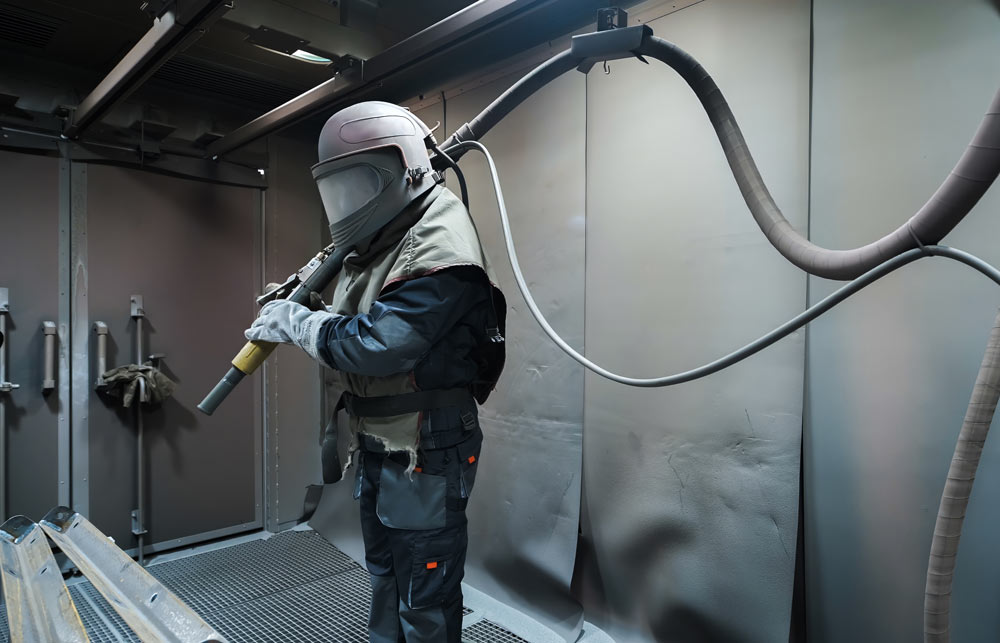
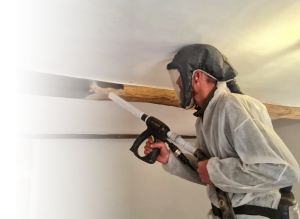
Dry ice blasting is a cleaning process that uses compressed air to fire small pellets of solid carbon dioxide at a surface. When these pellets make contact, they instantly sublimate, meaning they turn from a solid straight into a gas.
This rapid change creates a micro-explosion effect that lifts dirt, grease, paint, or other contaminants away from the surface.
One of the key reasons it stands out is that it does not rely on water or harsh chemicals, and it doesn’t leave behind any blasting media.
This makes it particularly useful in environments where cleanliness matters or where moisture could cause problems.
It also tends to be much gentler than traditional abrasive methods, which is why it’s often chosen for more sensitive materials.

What Counts as a “Small Project”?
A small project in the context of dry ice blasting usually refers to a limited area or a single item rather than a full site clean.
It could also apply to smaller commercial jobs, such as targeted cleaning within a kitchen or workshop.
However, what counts as “small” can vary quite a bit depending on the situation.
A compact space with heavy contamination may still take time and careful setup, while a slightly larger area with lighter residue might be quicker to complete.
Access, surface type, and the level of detail required all play a part in determining how straightforward the job really is.
The Cost of Dry Ice Blasting
In the UK, dry ice blasting is usually priced either on an hourly basis or as a fixed project cost, often with a minimum call-out fee.
Even for smaller jobs, there is typically a baseline cost to cover equipment, transport, and setup time. This can make it seem less appealing at first glance, especially when compared to more basic cleaning options.
That said, the final price is influenced by several factors, including how accessible the area is, how heavily soiled the surface is, and how long the process is likely to take.
While pressure washing or manual cleaning may come in cheaper upfront, they may not always deliver the same level of finish or efficiency, particularly in more complex situations.
Benefits That May Justify the Cost
One of the main advantages of dry ice blasting is that it cleans without causing damage to the underlying surface. This can be particularly important when working with older materials, delicate finishes, or equipment that cannot be easily replaced.
It also avoids the use of water and chemicals, which can simplify the process and reduce the need for additional clean-up.
Another factor that often gets overlooked is time. In some cases, dry ice blasting allows cleaning to be carried out without dismantling machinery or shutting down operations for extended periods.
Even on smaller projects, that efficiency can make a noticeable difference, especially if the alternative involves more labour-intensive methods.
When It Might Not Be Worth It
There are situations where dry ice blasting may not be the most practical choice. For very light cleaning tasks, such as removing surface dust or minor marks, simpler methods are likely to be more than adequate.
In these cases, the added cost of specialist equipment may not provide enough additional value to justify the expense.
Budget can also play a role, particularly for one-off domestic jobs where cost sensitivity is higher.
If the surface is durable and the contamination is easy to remove, more traditional approaches may be perfectly suitable.
It often comes down to whether the specific requirements of the job actually call for a more advanced solution.
Comparing Value vs Price
It’s easy to focus purely on the upfront cost, but that does not always give the full picture. Dry ice blasting can offer a level of precision and effectiveness that reduces the risk of damage or repeat work.
In some cases, that alone can offset the initial expense, particularly where repairs or replacements would otherwise be needed.
Looking at value rather than just price tends to give a more balanced view. If a method saves time, improves results, and avoids complications, it may well represent better overall value, even if the starting cost is higher.
For smaller projects, this can still apply, especially when the job requires a careful and controlled approach.
How to Decide If It’s Right for Your Project
Deciding whether dry ice blasting is suitable usually comes down to a few key considerations.
The type of surface, the level of contamination, and the desired result all need to be taken into account. If the material is sensitive or the build-up is difficult to remove, it may be worth exploring this option further.
Speaking with a professional can often provide clarity quite quickly. A brief discussion or site assessment can help determine whether the method is appropriate and give a clearer idea of the costs involved.
This can make it easier to weigh up the options without committing straight away.
Conclusion
Dry ice blasting is not always the cheapest solution, and for some small projects, it may be more than what is needed.
However, it does offer a range of benefits that can make it worthwhile in the right circumstances. The key is to look beyond the size of the job and consider the specific requirements involved.
In many cases, the decision comes down to balancing cost with the quality of the result.
When used appropriately, dry ice blasting can provide an efficient and effective solution, even on smaller projects. Taking the time to assess the situation properly can help ensure the right choice is made.