Maintenance is one of those costs that tends to fade into the background until something goes wrong.
Many businesses accept it as an unavoidable expense, budgeting for repairs and cleaning without questioning whether the approach itself makes sense long term.
Dry ice blasting often looks expensive at first glance, which can put decision makers off.
Yet when you step back and look at how it affects downtime, labour and equipment lifespan, it begins to appear that the upfront cost may not tell the full story.
The Real Cost of Poor Maintenance
Poor or irregular maintenance has a habit of creating problems at the worst possible time.
Machinery failures rarely wait for quiet periods, and when they happen, the cost goes beyond the repair itself.
Lost production hours, staff standing idle and delayed orders can quickly outweigh the price of routine cleaning.
These knock on effects are easy to overlook when maintenance is treated as a reactive task rather than an ongoing strategy.
What Makes Dry Ice Blasting Different
Dry ice blasting works by firing solid CO₂ pellets at a surface, where they sublimate on impact and lift contaminants away.
Because the pellets turn directly into gas, there is no residue left behind to clean up.
This sets it apart from methods that rely on abrasives or chemicals, which often introduce new problems while solving old ones.
It appears to offer a way of cleaning thoroughly without adding extra steps or risks to the process.

Reduced Downtime and Faster Turnarounds
One of the quieter advantages of dry ice blasting is how quickly it can be carried out. In many cases, equipment can be cleaned in place without full disassembly, which immediately shortens maintenance windows.
For businesses running tight schedules, this matters. Less downtime usually means fewer disruptions to production and less pressure on staff to catch up afterwards, which may be where the real savings start to show.
Lower Labour and Disposal Costs
Traditional cleaning methods often involve hours of manual scraping, wiping and handling of chemicals.
That time adds up, especially when skilled staff are pulled away from their usual roles to deal with cleaning tasks.
Dry ice blasting tends to reduce this burden. There is no secondary waste to bag up or dispose of, which quietly removes both labour time and disposal fees from the equation.
Extending the Life of Equipment
Aggressive cleaning methods can wear down surfaces over time, even if the damage is not obvious straight away.
Seals, wiring and sensitive components can suffer repeated stress, leading to earlier failure.
A gentler approach appears to help equipment last longer. By avoiding abrasion and moisture, dry ice blasting may slow down corrosion and wear, which can delay costly replacements and capital expenditure.
Fewer Emergency Repairs
Regular cleaning makes it easier to spot small issues before they turn into major faults. Build up of grease, dust, or residue often hides cracks, leaks or loose connections.
While no maintenance plan eliminates breakdowns, addressing problems early usually costs less.
Emergency repairs tend to be more expensive, not just financially but in terms of disruption and stress.
Health, Safety and Compliance Considerations
Using fewer chemicals can simplify health and safety management.
Staff are less exposed to fumes and harsh substances, which may reduce training requirements and the risk of incidents.
In regulated environments, this can be particularly valuable.
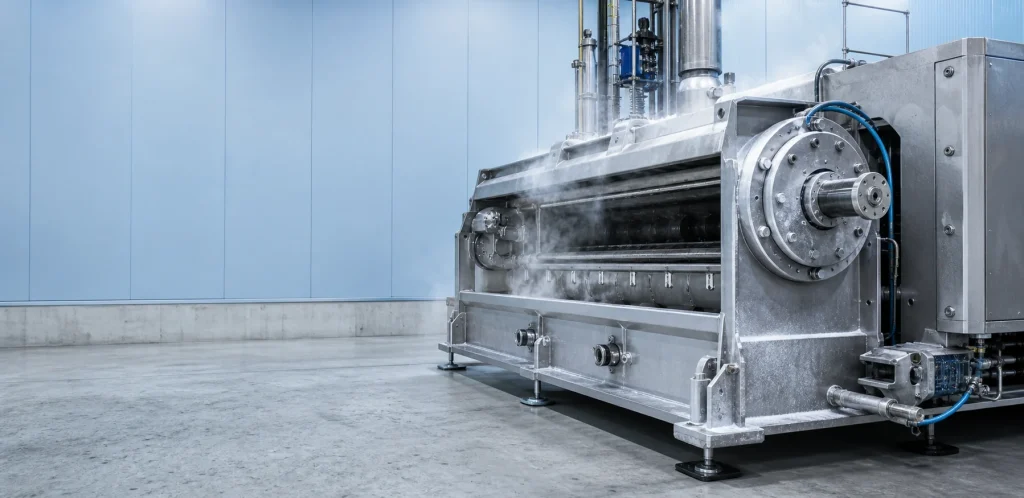
For example, in a food factory, maintaining clean equipment without introducing chemical residues can help support hygiene standards while keeping production moving. This is just one reason why food production cleaning is so important.
Industries That Tend to See the Biggest Savings
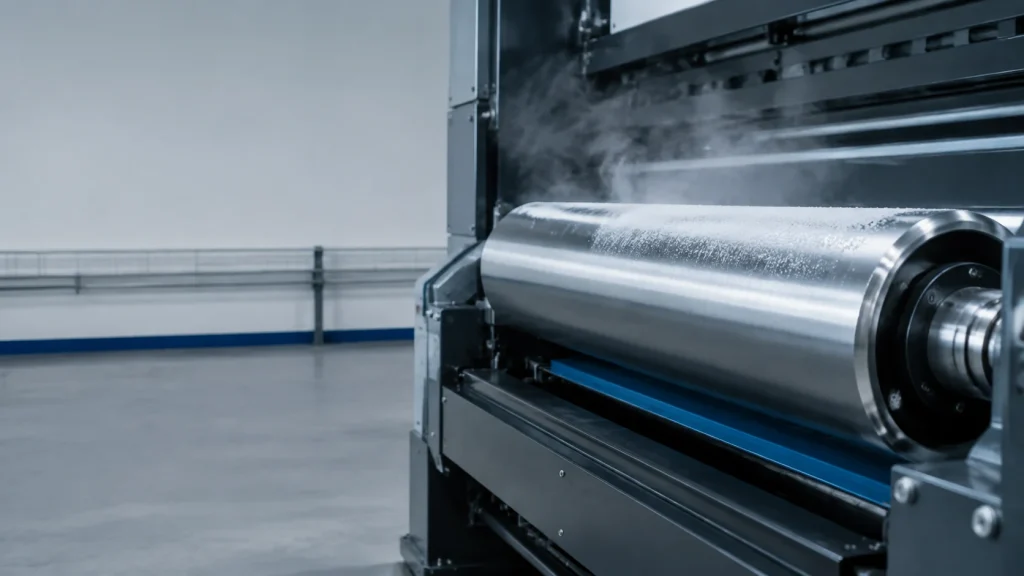
Manufacturing environments often benefit because machinery can be cleaned quickly and thoroughly without dismantling.
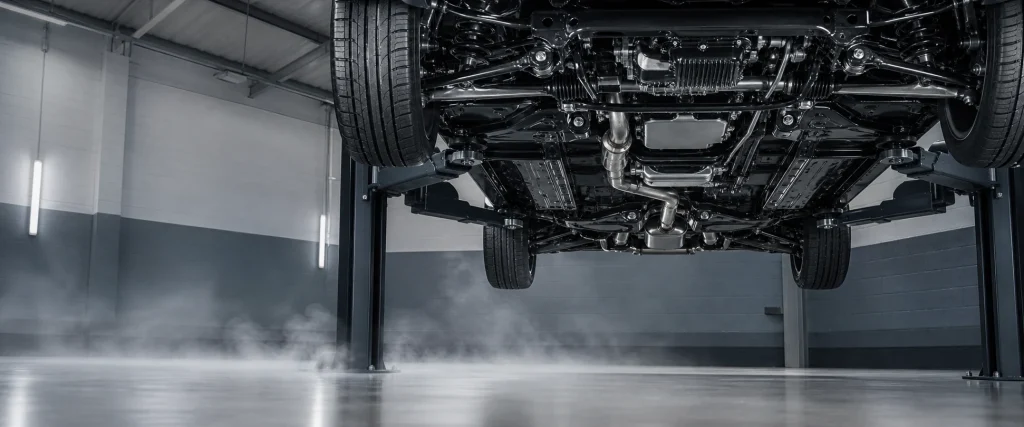
Automotive workshops and restoration projects also see value where delicate parts need careful handling.
Heritage and commercial settings may find the balance appealing, too.
Anywhere that downtime, surface damage or waste disposal carries a high cost is likely to see more noticeable financial benefits.
Is Dry Ice Blasting Always the Right Choice?
It is worth being realistic. Dry ice blasting is not suitable for every surface or situation, and access limitations can sometimes make it impractical.
Frequency of cleaning and the type of contamination also matter. In some cases, simpler methods may still be appropriate, which is why an honest assessment is important before committing.
Conclusion
Regular maintenance is rarely about dramatic improvements overnight. It is more about reducing friction in daily operations and avoiding the slow buildup of avoidable costs.
When used in the right context, dry ice blasting appears to shift maintenance from a reactive expense to a more predictable investment.
Over time, that change in approach is often where the real savings are found.